
Youth In The Slums
Kenya is a country with a young population, with over 75% of the population aged below 35 years old. Unfortunately, many of these young people live in slums, where they face a myriad of challenges, including poverty, poor living conditions, and limited access to basic services like healthcare and education. In this blog, we will explore the struggles of the youth in Kenyan slums and some of the initiatives aimed at addressing these challenges.
Poverty
One of the biggest struggles that young people in Kenyan slums face is poverty. Many of these youths are unemployed, and even those who have jobs earn very low wages, which are often not enough to cover their basic needs. As a result, they struggle to afford food, housing, and healthcare, among other necessities.
Poor Living Conditions
In addition to poverty, young people in Kenyan slums also face poor living conditions. Most of them live in informal settlements, which lack basic amenities like clean water, sanitation, and electricity. They live in cramped spaces, with little ventilation, which exposes them to health risks like respiratory diseases. The lack of adequate housing also makes them vulnerable to crime and violence.
Limited Access to Education
Access to education is another challenge facing young people in Kenyan slums. Many of them drop out of school due to poverty, while others are unable to access education due to the lack of schools in their communities. This limits their opportunities for personal growth and development and makes it difficult for them to break the cycle of poverty.
Limited Access to Healthcare
Access to healthcare is another challenge facing young people in Kenyan slums. They often cannot afford to pay for medical services, and even when they can, the quality of care is often poor. This puts their health at risk, and many suffer from preventable diseases like malaria and pneumonia.
Initiatives to Address These Challenges
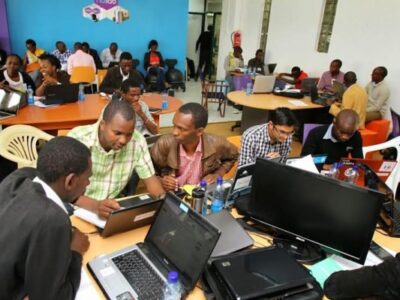
Despite the challenges facing young people in Kenyan slums, there are several initiatives aimed at addressing these issues. For example, some organizations provide vocational training to young people, equipping them with skills that can help them earn a living. Other initiatives provide access to affordable healthcare, education, and housing.
Conclusion
The struggles of the youth in Kenyan slums are numerous and complex. Poverty, poor living conditions, and limited access to education and healthcare are just a few of the challenges they face. However, there are initiatives aimed at addressing these issues, and with continued support, these young people can break the cycle of poverty and build a brighter future for themselves and their communities.


About Post Author